
Need a Tailored Transportation Solution?
When businesses look for ways to cut logistics expenses, they usually focus on route optimization, carrier negotiations, or upgrading fleet software. However, one of the most effective ways to lower supply chain costs is often overlooked: the design and durability of product packaging.
The connection between product packaging and logistics is profound. How an item is packed directly impacts vehicle space utilization, driver safety, transport speeds, and your bottom line.
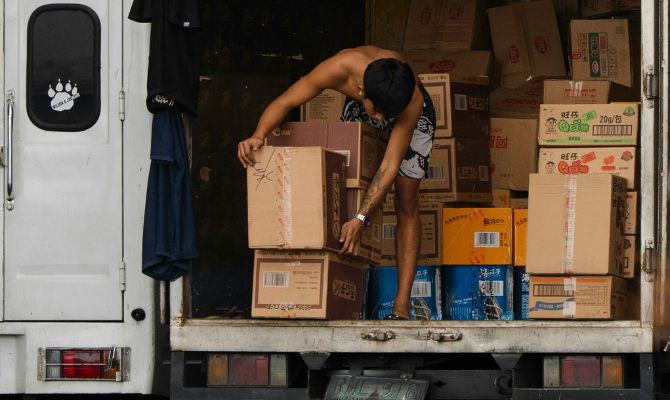
How an item is packed directly impacts vehicle space utilization, driver safety, transport speeds, and your bottom line.
1. Maximizing Cubic Fleet Space
In logistics, empty space is wasted money. Incorrectly sized or overly bulky boxes create “dead space” inside transport trucks, forcing you to pay for shipping air.
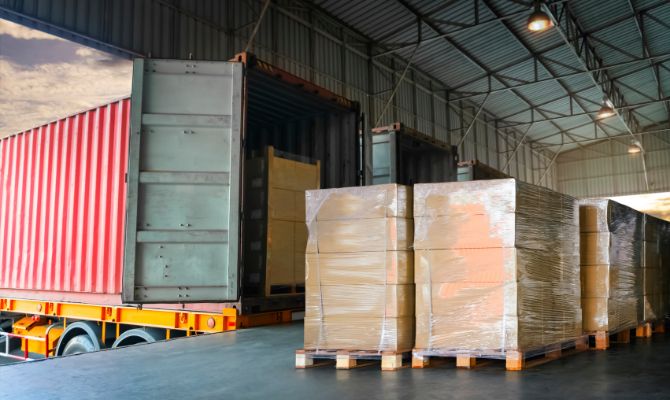
Optimizing product packaging for standardized pallet configurations allows you to stack cargo more tightly and securely. Better space utilization means you can fit more goods into a single truckload, instantly reducing the total number of trips required for high-volume distributions.
2. Protecting Heavy and Industrial Cargo
Industrial logistics demands heavy-duty protection. When transporting massive raw commodities like cement, steel components, coal, or gypsum, standard packaging will fail.
Industrial goods require reinforced materials and robust container configurations that can withstand the vibrations of long-haul transit and the physical force of automatic loading. Investing in the right containment barriers upfront dramatically lowers cargo damage rates and eliminates the heavy costs associated with returns and redeliveries.
3. Speeding Up Warehouse and Cross-Dock Handling
Logistics efficiency relies heavily on speed. Packaging that is uniform, clearly marked, and barcode-compatible makes loading, sorting, and unloading significantly faster.
When your packages are easy for warehouse personnel to handle and perfectly configured for forklifts and pallets, it drastically cuts truck turnaround times. Faster loading means vehicles get back on the road sooner, directly speeding up your overall delivery cycle.
4. Securing Material Transit in Open Fleets
Certain types of freight require transit in specialized heavy-duty vehicles, such as open Tip Trailers or flatbeds. In these scenarios, packaging plays a defensive role against environmental elements like rain, dust, and wind. Weatherproof wrapping, secure strapping, and heavy-duty industrial bundling prevent moisture contamination and shifting, ensuring the materials arrive at production facilities fully intact.
Designing a Smarter Supply Chain
Optimizing packaging requires a complete understanding of your transit network. The ideal packaging strategy looks at how your goods behave from the moment they are loaded at the factory to the exact moment they arrive at the client’s destination.
By aligning structural packaging design with your transportation network, your business can significantly minimize operational risks, lower carbon footprints, and run a far more efficient fleet operation.
From specialized bulk cargo handling to dedicated fleet management, we build efficient transportation strategies that align perfectly with your operations. Contact our logistics experts today.